
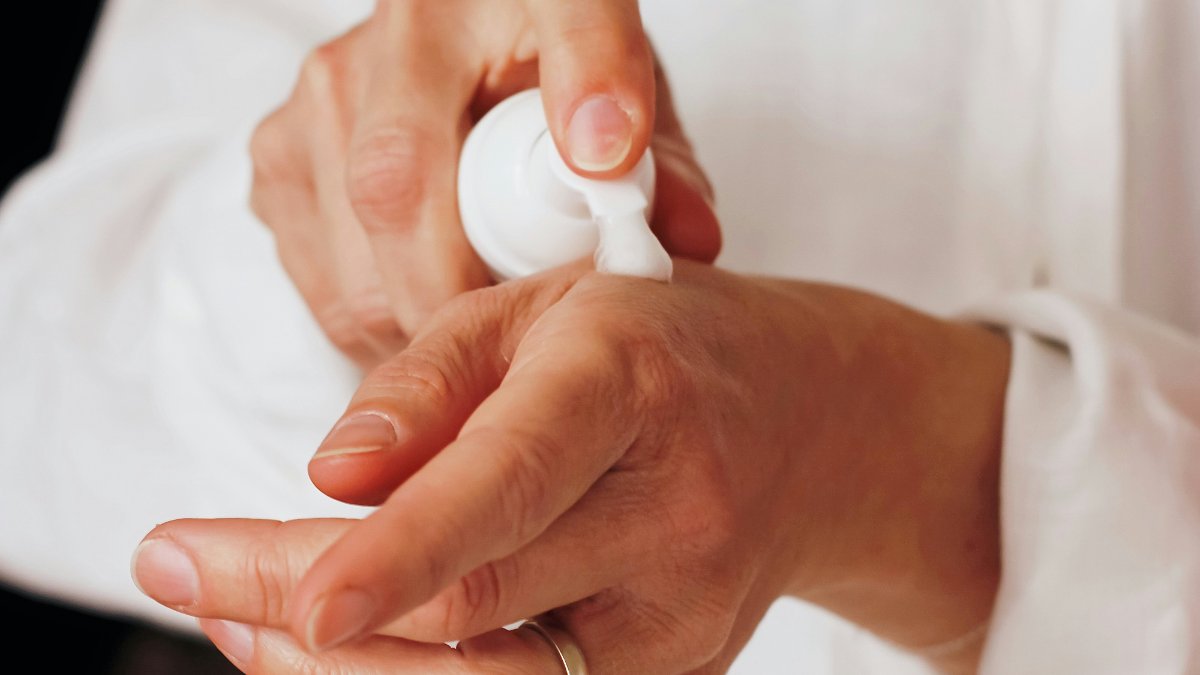
Aspercreme with Lidocaine Pain Relieving Creme takes a different approach than most of the products in this review series. Rather than creating a warming or cooling sensation to distract from pain, it works by temporarily numbing the nerve endings in the treated area. That’s a meaningfully different mechanism, and it comes with its own set of rules.
What’s Actually in It
The active ingredient is lidocaine HCl 4%, labeled as a topical anesthetic for the temporary relief of minor pain. That’s a single active ingredient, compared to the two- or three-ingredient counterirritant blends used in products like Icy Hot and Bengay.
How It’s Meant to Be Used
Adults and children over 12 apply a thin layer to the affected area every 6 to 8 hours, with a maximum of 3 applications in 24 hours. For children 12 and under, ask a doctor first. The label also caps use at one week without consulting a doctor, and specifically warns against applying it to puncture wounds, large areas of the body, or skin that’s cut, irritated, or swollen.
Why Aspercreme Feels Different From a Warming or Cooling Rub
Menthol- and salicylate-based products like Icy Hot and Bengay work by creating a competing sensation — heat or cold — that distracts the nervous system from the underlying pain. Lidocaine works upstream of that: it temporarily blocks the nerve signals themselves, so there’s no warming or cooling sensation to speak of. One practical consequence is the label’s warning not to combine Aspercreme with other topical analgesics — layering a numbing agent with a counterirritant isn’t something the label supports, even though it might be tempting if one product alone doesn’t feel like enough.
Who Should Be Cautious
Don’t use on puncture wounds, broken or irritated skin, or large areas of the body. Avoid contact with eyes and mucous membranes, and don’t bandage the area or apply heat, such as a heating pad, over it. Stop use and ask a doctor if your condition worsens, redness or irritation develops, or symptoms persist beyond 7 days or return shortly after clearing up. If you’re pregnant or breastfeeding, check with a health professional before use. As with the other products in this series, keep it out of reach of children and pets, and contact Poison Control right away if it’s swallowed.
How It Compares
Because it numbs rather than warms or cools, Aspercreme is worth considering separately from the rest of this lineup rather than as a like-for-like swap — some people prefer the numbing sensation, others prefer the distraction of heat or cold. See our full comparison of topical pain relief creams for how it stacks up against the rest of our lineup.
Frequently Asked Questions
What makes Aspercreme different from Icy Hot or Bengay?
Aspercreme’s active ingredient, lidocaine, is a topical anesthetic that numbs the treated area by temporarily blocking nerve signals. Icy Hot and Bengay use menthol and methyl salicylate (plus camphor, in Bengay’s case), which create a warming or cooling sensation instead. There’s no numbing effect with those products, and no warming/cooling effect with Aspercreme.
Can I use Aspercreme with other pain relief products?
The label specifically warns against combining Aspercreme with other topical analgesics. If you’re already using a menthol- or salicylate-based product, don’t layer Aspercreme on top of it without checking with a doctor first.
How long can I use Aspercreme before checking with a doctor?
The label caps use at one week without consulting a doctor. If your pain persists or worsens beyond that, or if symptoms return shortly after clearing up, stop use and see a doctor.
Is Aspercreme safe for children?
Adults and children over 12 can use it as directed. For children 12 and under, ask a doctor before use. As with any topical medication, keep it out of reach of children and pets, and contact Poison Control right away if it’s swallowed.
Editorial transparency: We do not currently receive a commission if you purchase through the Amazon link in this article. This analysis is based on publicly available product labeling and information; we have not clinically tested this product ourselves.
Medical disclaimer: This article is for general informational purposes only and is not a substitute for professional medical advice, diagnosis, or treatment. Consult a qualified healthcare provider before starting a new topical pain-relief product, especially if you plan to use it alongside another topical pain reliever.